San Diego winter is milder than inland states, but heating still has to work on cold mornings. The National Weather Service describes ocean moderation near the coast and different conditions inland. Use that as regional context, not a promise about your indoor temperature.
This checklist is for homeowners. Climate Pros SD matches you with licensed independent HVAC professionals. It does not dispatch its own crews, publish hours, or set diagnostic fees.
See also: spring AC tune-up checklist and fall HVAC checklist.
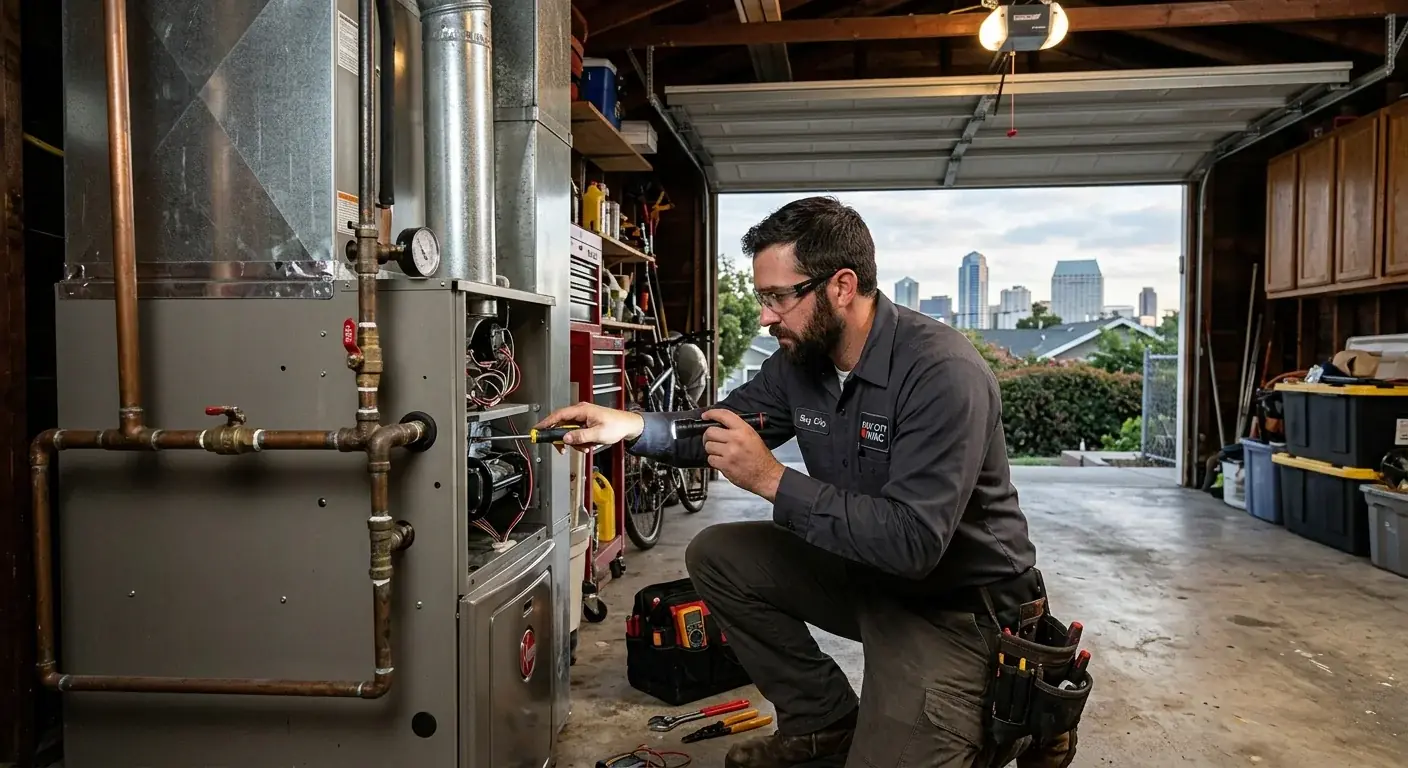
Why does winter still matter in San Diego?
Heating that sat idle through a long mild stretch may not have been tested under a real heat call. Coastal moisture can still reach equipment and drains. Holiday travel can leave a house unwatched. None of that requires a published county-wide “3x heating” statistic.
If anyone in the home is older or heat-sensitive, keep heating and cooling decisions tied to health, not a savings target. The CDC writes about hot-weather risk for older adults. Individual precautions belong with a clinician.
What can you check before you call?
1. Can the heat run a full cycle?
On a cool morning, set the thermostat to heat and raise the setpoint a few degrees. Stay nearby. You want warm air at supply registers, no lasting burning smell after a short dust burn-off, and no grinding or breaker trip. If a heat pump stays in auxiliary or emergency heat on a mild morning, write that down for the technician.
Stop the system if you smell gas, see soot, or feel unwell. Leave and call emergency services if needed, then a licensed contractor.
2. Has the filter been changed?
Follow the equipment instructions. A dirty filter is a common, cheap check. It is not a measured percent of your SDG&E bill.
3. Do carbon monoxide alarms work?
If the home has gas appliances, test CO and smoke alarms per the manufacturer. Replace units past the maker’s sensor life. This is a safety check, not a funeral-cost comparison.
4. Where does a high-efficiency furnace drain?
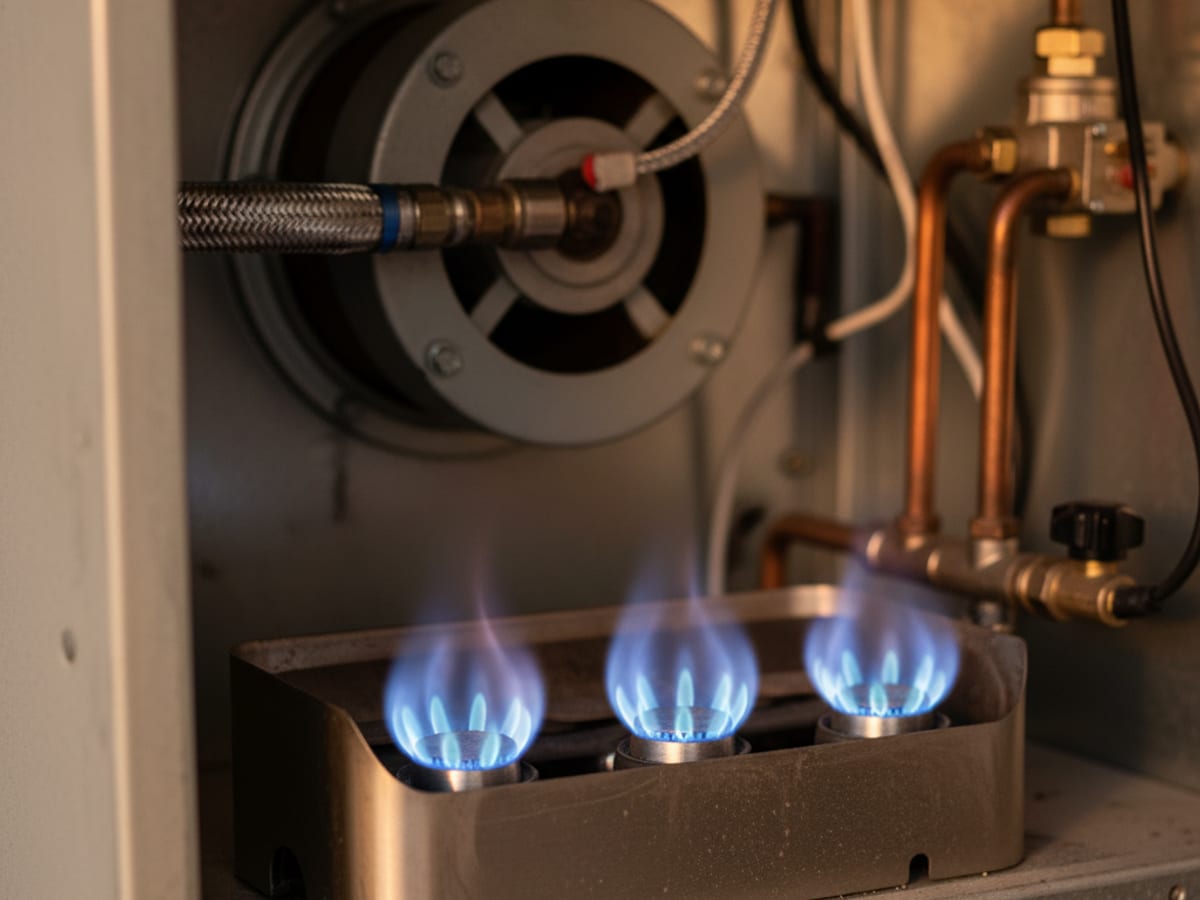
Many 90 percent-plus furnaces drain condensate through PVC. If you see that drain, look for standing water, a silent pump that should cycle, or a line that cannot flow. Do not open sealed combustion parts yourself. Ask a licensed technician to clear and test the drain.
5. If you have a heat pump, has defrost been discussed?
Heat pumps can frost the outdoor coil in cool, damp air. A working defrost sequence should recover. Ice that never clears is a reason to stop and call. Ask the matched company to test defrost, not to promise a part price in advance on this page.
6. Does the thermostat schedule match how you live?
Pick settings people can actually use. This site does not publish a percent-per-degree heating savings table. On an SDG&E time-of-use plan, heating and other loads can still land in the 4 p.m. to 9 p.m. on-peak window. Confirm your plan on SDG&E’s pricing page. Community Choice Aggregation customers pay SDG&E delivery plus their CCA’s generation price. Displayed energy prices exclude the monthly residential Base Services Charge.
7. What if you leave town?
Do not invent a safe unoccupied setpoint for every house. Follow the equipment instructions, consider pipes in cold pockets, and have a neighbor or property contact who can notice a dark, cold house. Ask the matched company whether they offer after-hours response and what that fee is in dollars. This brand does not publish arrival times.
8. What should a licensed winter visit include?
Ask, in writing, whether the visit covers the heating mode you actually have: gas furnace combustion and heat-exchanger inspection, heat pump reversing and defrost, condensate on high-efficiency furnaces, electrical checks, and a record of readings. Ask for the diagnostic and labor fees in dollars before work starts.
EPA does not recommend routine duct cleaning on a fixed calendar. It recommends cleaning as needed when conditions such as visible mold, vermin, or debris justify it. EPA duct-cleaning guidance. ENERGY STAR says a typical forced-air house can lose about 20 to 30 percent of the air moving through ducts to leaks. That is a national typical-house statement, not a measurement of your home. ENERGY STAR duct sealing.
Frequently asked questions
Do San Diego homes really need a winter HVAC checklist?
If you rely on a furnace or heat pump, test heat before you need it. Inland and mountain pockets get colder than the immediate coast. The National Weather Service describes that qualitative difference. Your home still needs its own check.
What is often skipped on high-efficiency furnaces?
The condensate path. If the furnace makes condensate, a blocked drain can shut the unit down. Ask the technician to test it.
When should I ask for a heating visit?
When heat has not been proven this season, or when a check fails. Ask the company for its current availability. Do not treat a blog calendar as a booking promise.
Should I turn the heat all the way off when I leave?
Follow the equipment and plumbing realities of that house. A complete off setting is not a published savings guarantee.
How do I know if my furnace makes condensate?
Look for a PVC drain from the furnace to a floor drain or pump. A metal flue with no PVC drain often means a different furnace type. A technician confirms it.
What does a winter heating visit cost?
Ask the matched company for the fee in dollars. Climate Pros SD does not set prices.
Want a licensed heating check? Call (442) 777-6440. We serve Escondido, Vista, Carlsbad, El Cajon, Poway, and all of San Diego County.
Related service: AC tune-ups.