How much does HVAC maintenance cost in La Mesa?
The company you are matched with quotes the visit in writing. Ask whether they offer a single appointment or a plan, what they inspect, and which fees are extra. Climate Pros SD does not sell a branded maintenance plan or inspection protocol. Filter replacement is priced separately by type, and that is separate from the tune-up cost. Ask whether coil cleaning is included; units with heavy buildup may have an additional heavy-cleaning charge quoted after inspection.
How often should I service my HVAC in La Mesa?
Twice a year for most La Mesa homes. The cooling season runs seven to nine months, and the furnace gets real use from November through February. A spring visit in March or April handles the cooling side. A fall visit in October handles the furnace and heating controls. Mount Helix and eastern hillside properties benefit most from the two-visit schedule because of the more demanding thermal conditions.
What should I ask the matched company to inspect?
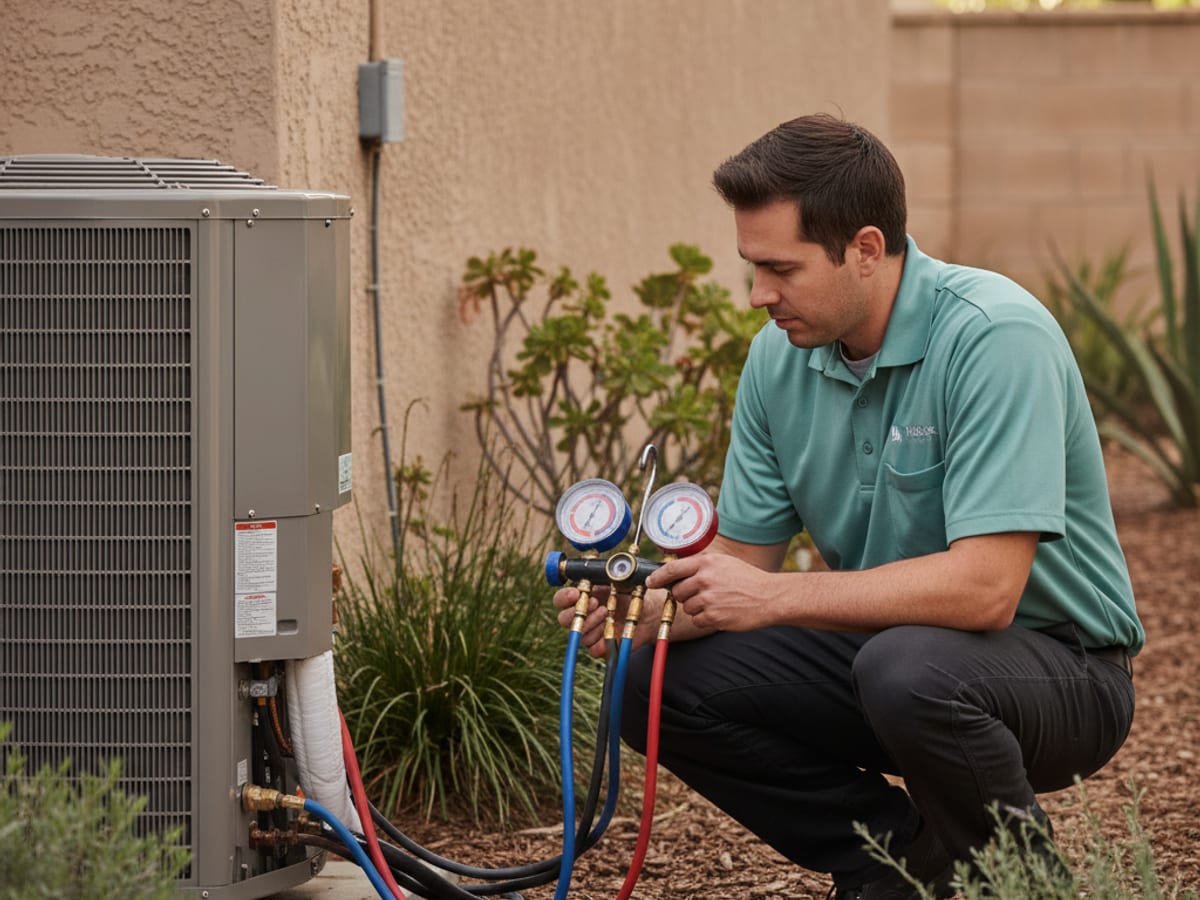
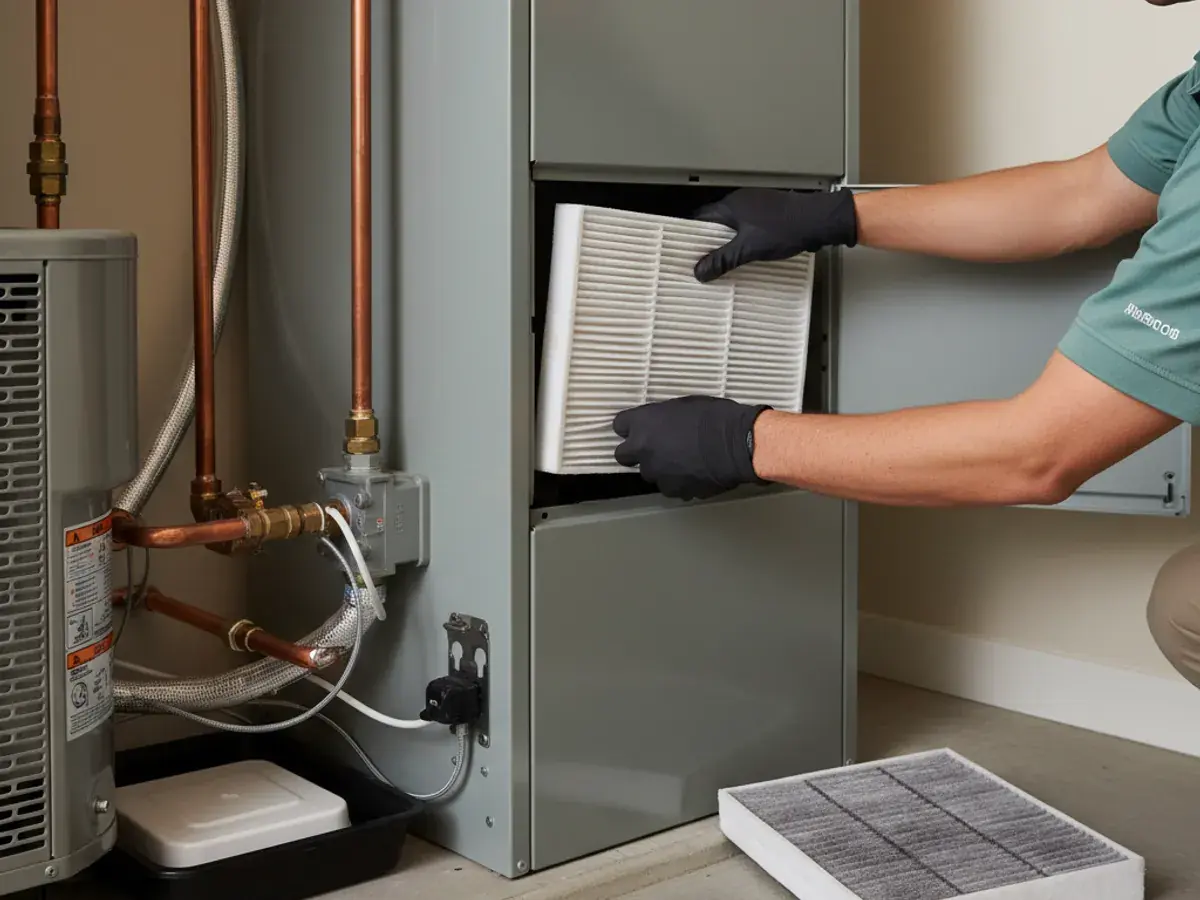
Refrigerant level check with gauges, capacitor microfarad test, compressor and motor amp draw, condenser coil cleaning, evaporator coil inspection, static pressure measurement, condensate drain flush and float switch test, contactor and electrical connection check, thermostat calibration and cycle timing, temperature split measurement, filter condition check, and blower wheel inspection. Every visit ends with a written summary of all findings.
My La Mesa home is from the 1950s. What should I expect from a tune-up?
Older homes often have retrofitted HVAC with ductwork in crawl spaces or attics that were not designed for it. Additional time gets budgeted for these configurations, checking duct connections, static pressure, and air handler access as part of the inspection. Systems in 1950s homes are typically 20 to 30 years old. What gets found depends on maintenance history and the specific installation: the inspection gives you an honest picture of what the system actually shows.
Do you service Mount Helix hillside properties?
Yes. Pros in our network cover all of La Mesa including Mount Helix estates, hillside lots with grade-level condenser pads, and properties with longer refrigerant line sets. Line set configuration and refrigerant pressure get checked specifically on Mount Helix properties because the hillside installation affects how the readings should be interpreted.
How does La Mesa heat compare to coastal San Diego?
La Mesa Village and the western neighborhoods run 8 to 10 degrees warmer than the coast in summer. Mount Helix and the eastern hillside areas push 10 to 14 degrees warmer. When Coronado is 72 on a July afternoon, western La Mesa is 80 to 82 and Mount Helix can hit 84 to 86. The cooling season runs about seven to nine months. That is more load than the coast but less than Santee or El Cajon.
What are heat pump conversions and should I consider one in La Mesa?
A heat pump replaces a separate gas furnace and AC unit with a single system that provides both heating and cooling electrically. La Mesa's climate: inland enough to need 7 to 9 months of cooling, but not so extreme that heat pump efficiency drops severely in winter: is actually well suited to the technology. TECH single-family HVAC reservations stopped November 14, 2025. There is no waitlist for a 2026 single-family HVAC job. This option gets mentioned when the inspection shows a La Mesa home with aging equipment on both the heating and cooling sides.
Should I get my HVAC serviced before summer in La Mesa?
Yes. March or April is the right window. By May the schedule fills. By June it is full. La Mesa's summer heat arrives faster than the coast, and a problem caught in April is handled on your schedule, not on the hottest day of the year. The tune-up takes 60 to 90 minutes and tells you exactly what shape the system is in before you need it most.
What is static pressure and why does it matter?
Static pressure is the resistance the air handler has to push against to move air through the ductwork. High static pressure usually means duct leaks, undersized ducts, or a dirty filter: all of which force the blower motor and compressor to work harder than they should. La Mesa's older housing stock with retrofitted ductwork has a higher rate of static pressure issues than newer construction. Ask whether they measure it. High static pressure is one of the conditions that silently accelerates equipment wear.
Do you service La Mesa Village apartment buildings?
Yes. Residential and small commercial multi-unit properties in La Mesa Village and the surrounding area are serviced. Older apartment buildings often have shared duct systems or rooftop package units, which are handled as part of the same inspection process. Contact for a quote on multi-unit properties: single-system residential pricing does not automatically apply; multi-unit pricing is discussed before the visit.
Can maintenance extend the life of my 1980s La Mesa system?
Yes. A 1980s system is 40-plus years old, but what matters is the actual condition. Annual coil cleaning, capacitor testing, and refrigerant monitoring reduce compressor stress. Systems that get consistent service often run longer than the calendar suggests. Systems that go without maintenance in a climate like La Mesa's tend to fail earlier than they should. If the inspection shows sound mechanicals, that gets reported. If there are signs the unit is near the end, that gets reported too.
How long does an HVAC tune-up take in La Mesa?
Most appointments run 60 to 90 minutes. Older homes with retrofitted ductwork, or properties with two systems, run closer to 90 minutes. Mount Helix hillside properties sometimes take a bit longer depending on equipment access. The inspection does not get cut short to make the next appointment.