Choosing a new furnace in Chula Vista starts with your home, not a citywide price. No verified 2026 installation average was available for this page, so the reliable answer comes from itemized proposals for your address. Climate Pros SD can match you with licensed, independent local HVAC pros who set their own prices.
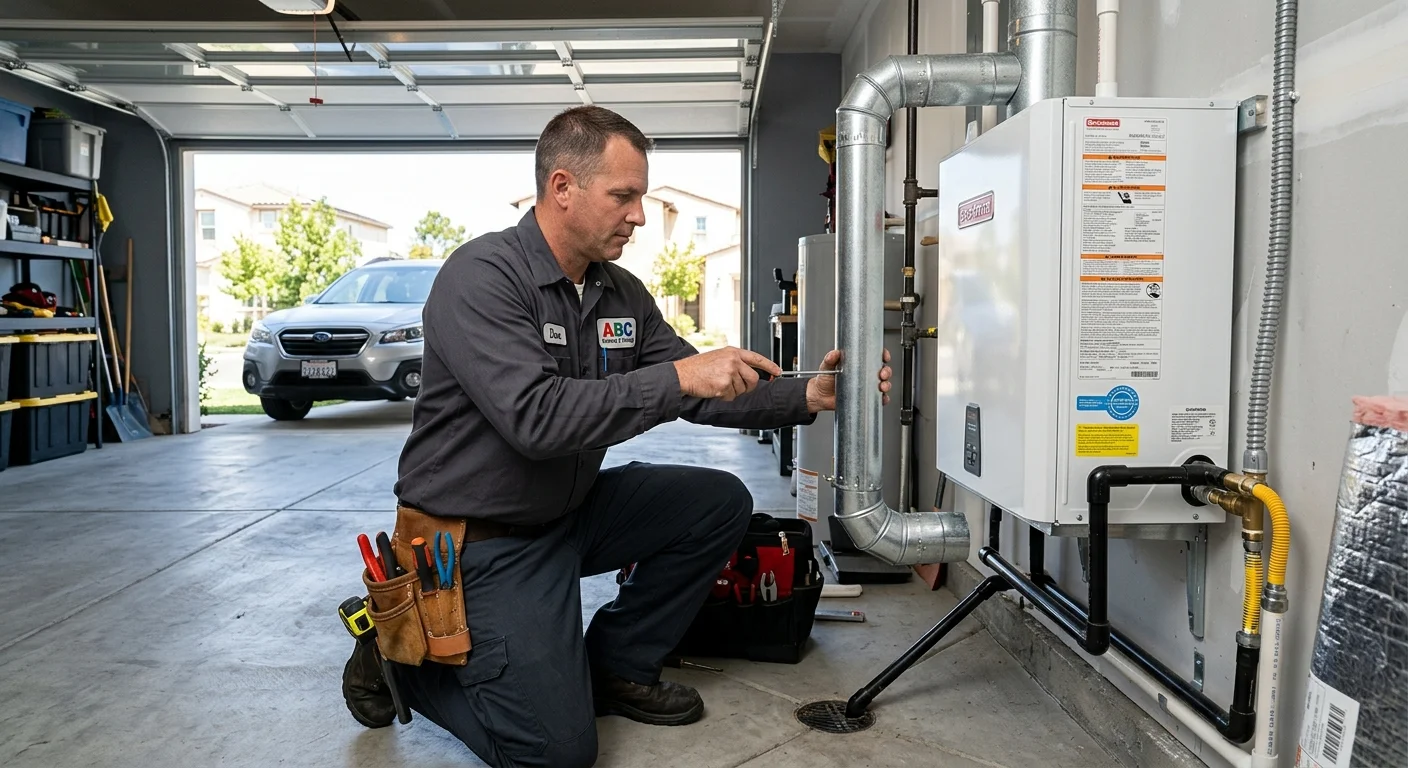
Choosing the right furnace for a Chula Vista home
Start with the heating load and the existing air-distribution system. Don’t choose equipment by copying the old furnace model or using square footage alone. Ask the contractor to explain how the home’s layout, insulation, windows, ducts, and comfort problems affected the proposed size.
The furnace also needs to work with the surrounding equipment. Have the contractor inspect the blower, supply and return ducts, plenum, filter location, thermostat, venting, and any connected air-conditioning components. A proposal should identify what stays, what changes, and why. This matters when a new furnace must share components with an older cooling system.
Compare exact model numbers rather than broad labels such as “premium” or “high efficiency.” Review the manufacturer’s specifications and the federal ENERGY STAR heating and cooling information. The approved research confirms that federal testing methods and regional efficiency standards changed in 2023. It didn’t confirm every current legal minimum, so ask the contractor to document that the proposed model meets the rules applying when it’s installed.
If the existing heater’s condition hasn’t been diagnosed, replacement may be premature. Start with professional furnace repair and request a written comparison of repair and replacement scopes. Our guide to furnace repair costs in Chula Vista can also help you prepare for that conversation.
Gas furnace vs. a heat pump: what makes sense for the South Bay
A gas furnace and a heat pump create different plans for the home. A furnace provides heating, while a heat pump can provide both heating and cooling. The right choice depends on the existing system, electrical capacity, ducts, comfort goals, and current utility plans.
Ask for proposals that compare the complete scope, not equipment names alone. A heat-pump proposal may involve the outdoor unit, indoor coil or air handler, controls, and electrical work. A furnace proposal may involve gas connections, venting, the blower, and its connection to existing cooling equipment. The contractor should identify which existing components remain compatible.
Operating-cost claims also need care. SDG&E uses time-of-use pricing, where electricity costs vary by time and season. Some Chula Vista customers receive generation service through a community choice provider, so their rates may differ. Pull your current gas and electric plans before comparing projected costs. Don’t rely on a generic savings percentage.
Available incentives shouldn’t be assumed either. The IRS says the federal Section 25C credit ended for improvements made after December 31, 2025. Qualifying 2025 heat pumps may still fall under the $2,000 annual cap. Property placed in service in 2026 does not. TECH Clean California stopped new single-family heat-pump HVAC reservations on November 14, 2025. HEEHRA single-family rebates were fully reserved statewide as of February 24, 2026, with no new income-verification applications. The $8,000 / $4,000 HEEHRA figures are design caps, not live money for a new application. Check those agencies again before signing because program status can change.
A home near the Chula Vista bayfront and one farther east may also have different comfort priorities. Ask each contractor to base the recommendation on the address and actual rooms, not a general South Bay assumption.
How to compare 2026 furnace installation costs
There isn’t a verified, primary-source average for furnace installation across Chula Vista. Climate Pros SD doesn’t set contractor prices, and publishing an unsupported range would mislead homeowners. The real 2026 cost is the total of the equipment and address-specific work shown in a contractor’s proposal.
Ask each licensed contractor to separate these items:
- The furnace manufacturer, model number, size, and published efficiency rating
- Removal and disposal of the existing equipment
- Changes to ducts, plenums, filters, venting, or gas connections
- Thermostat, controls, electrical work, and startup testing
- Permit, inspection, and required field-verification responsibilities
- Optional work that isn’t part of the base proposal
Use the same scope when comparing proposals. A lower total may exclude duct transitions, venting changes, controls, or permit-related work included elsewhere. Ask contractors to mark allowances and optional items clearly. Also confirm who handles each listed task and when payment is due. You’ll contract with and pay the independent professional directly.
No verified Chula Vista mechanical-permit fee or installation rule appeared in the approved research. The City of San Diego’s mechanical-permit page applies only inside that city’s jurisdiction, so it shouldn’t be treated as Chula Vista guidance. Confirm the current permit process and fees directly with the City of Chula Vista and the contractor before work begins.
ZIP code alone can’t produce an honest price. Access, equipment location, existing connections, duct condition, and the selected model can change the scope within the same neighborhood. Written, itemized proposals reveal those differences without relying on an invented city average.
What’s included in a professional furnace installation
A professional proposal should define the full path from inspection through completed system testing. It should identify the selected furnace, components being retained, planned modifications, permit responsibilities, and any separate testing. If a task isn’t written down, ask whether it’s included before comparing totals.
California’s C-20 classification covers warm-air heating systems, connected appliances, ventilation systems, air conditioning, ducts, registers, flues, thermostatic controls, and related filters. That describes the contractor’s licensed scope, not work performed by Climate Pros SD. You can verify a contractor’s status, classification, bond, workers’ compensation details, and complaint history through the CSLB license check.
Ask the contractor to document the proposed sizing, inspect the existing ducts and venting, and list required connection changes. The proposal should also address removal of the old unit, installation of the new equipment, thermostat or control setup, and operational testing. Don’t assume disposal, duct repairs, filters, or permit costs are included unless they appear in writing.
California Title 24 requires field verification testing when HVAC systems are altered or replaced. The California Energy Commission moved that testing framework into its Energy Code Compliance Program in 2026. Specific testing thresholds weren’t confirmed in the approved research, so the contractor and a CEC-certified rater should identify the current requirements for your project.
The exact Chula Vista permit path also couldn’t be confirmed from an approved primary source. Ask the contractor to show which permit and inspection steps apply, then confirm them with the city.
Replacing older systems in central Chula Vista vs. new installs in Eastlake
An older system in central Chula Vista deserves a close inspection before equipment selection. The contractor should check the existing furnace location, flue, gas connection, electrical supply, duct transitions, filter access, and thermostat wiring. These conditions can matter more than the ZIP code printed on the proposal.
Don’t assume every older home needs the same corrections. Some components may remain usable, while others may not match the proposed furnace. Ask for photos or written notes showing why each modification was added. If the furnace shares a blower or cabinet with existing air conditioning, the proposal should explain how the systems will operate together.
A garage installation in Eastlake may appear simpler, but the contractor still needs to verify dimensions, clearances, connections, controls, ducts, and compatibility with the cooling equipment. If the project also involves cooling changes, our guide to AC installation in Chula Vista explains the broader replacement decision.
Refrigerant rules may affect that paired-system discussion. EPA rules reviewed in August 2026 limit new residential air-conditioning and heat-pump equipment manufactured or imported after January 1, 2025, to refrigerants with a global warming potential of 700 or less. Existing R-410A systems remain serviceable, and qualifying older inventory can still be installed. Don’t accept a claim that every R-410A system must be removed.
The neighborhood label shouldn’t decide the installation plan. Central Chula Vista and Eastlake proposals should both begin with the exact equipment, home conditions, and current rules. That gives you a useful comparison without assumptions about the house.
Related services: AC repair and AC installation.
When to call us
Furnace installation needs a licensed HVAC professional when the project involves new equipment, gas connections, venting, ducts, controls, or permit questions. Climate Pros SD connects Chula Vista homeowners with licensed and insured independent local pros. Call us at (442) 777-6440 and we will match you with a licensed local pro.